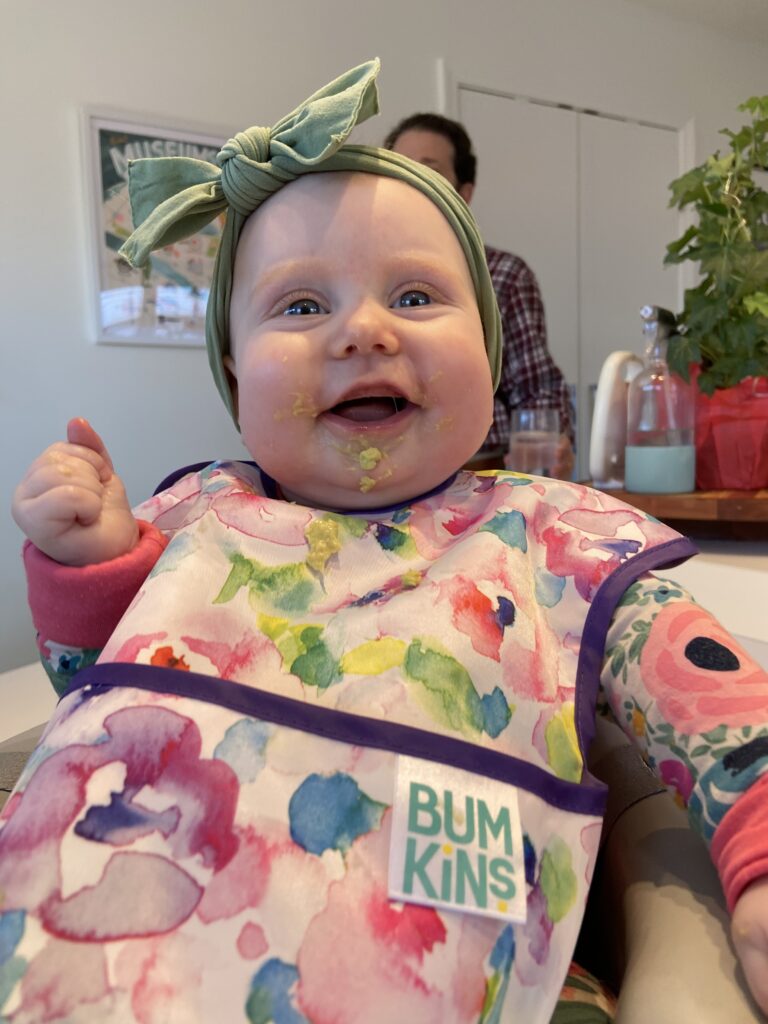
Starting solids is one of those parenting milestones that sounds adorable in theory but quickly transforms into a chaotic reality of food splatters, persistent stains, and the bewildering discovery that a 15-pound human can create such an impressive mess with just a few spoonfuls of pureed sweet potato. Even as a mother of four, I still find myself slightly overwhelmed during this beautiful yet incredibly messy phase of development.
6–12 Months: Exploration Over Nutrition
The journey between six and twelve months is truly about exploration rather than nutrition. Remember this golden rule: a baby’s primary nutrition from birth through twelve months comes from breast milk or formula—everything else is simply a bonus. This perspective removes tremendous pressure from parents who might otherwise stress about creating perfectly balanced meals. Instead, focus on exposing your baby to a variety of flavors, textures, and the sensory experience of eating while developing crucial motor skills.
What My 9-Month-Old Eats in a Day
For my daughter Sophia, we’ve established a rotation of about twenty different foods. Here’s a snapshot of a typical day:
- Breakfast: Blueberries, strawberries, banana for self-feeding; overnight oats with chia seeds or scrambled eggs.
- Morning snack: Cheerios, cut grapes, roasted chickpeas, boiled lentils, or raw veggies like cucumbers and bell peppers (also great for teething).
- Lunch: Sweet potato mash, cheese, deli turkey, or leftovers from her brothers’ meals.
- Dinner: Whatever we’re eating—lentils, avocado, chicken, salmon, meatballs, white beans, roasted vegetables—served in bite-sized pieces.
Balancing Baby-Led Weaning and Purees
Finding balance between baby-led weaning and purees has been key. Baby-led weaning supports texture exposure and independence, while purees ensure caloric intake—especially for smaller babies like Sophia. I often use a “decoy spoon” strategy: she holds one or two spoons while I sneak in bites with a third. It helps me meet both her hunger and her desire to self-feed.
Digestive Support: Tackling Constipation
The shift to solids can cause constipation. I’ve found “P” fruits, especially pears, to be super helpful. I make homemade pear puree, freeze it in silicone molds (1 tablespoon each), and keep it stocked in freezer bags. When Sophia seems backed up, I increase pears and make sure she’s still getting healthy fats like avocado, butter, and olive oil (which, while nutritious, can sometimes slow digestion).
Sanity-Saving Gear for Feeding Time
- Silicone bibs with deep pockets
- Soft silicone spoons (we love Num-Num baby spoons)
- Suction plates
- Silicone ice cube molds for freezing homemade purees
- A wipeable high chair (our favorite is the Stokke Tripp Trapp—watch your toes!)
I skip the floor mat and often feed her in just a diaper. After meals, a warm washcloth or a quick sink bath keeps things simple.
Perspective: Embrace the Beautiful Mess
This phase is chaotic, yes—but it’s also rich with meaning. We’re teaching our babies that food is colorful, nourishing, joyful, and made with love. Some days you’ll cook; other days you’ll pour a bowl of Cheerios. Both are good. Sophia’s favorites? Green beans, salmon, blueberries, and avocado. Watching her discover food makes the mess feel totally worth it. So grab the wipes, take a deep breath, and soak in this fleeting season.