In this weeks parsha, we’re reaching the climax of the plagues. God is ready to display His signs among Egypt—not just as punishment, but so that His power is unmistakable. So much so, we are commanded to tell this story to our children, again and again, for all time. In fact, we’re going to turn it into a week-long festival. Get ready—plague number ten is going to be a doozy.
On a personal note, I cannot imagine the sound of Egypt the morning after. The silence. The grief. As a first-born myself, I wouldn’t be there to hear it—I would be dead. Even the animals suffer. This plague spares no hierarchy, no innocence. Death to all first-borns. Yikes.
“Are You Not Aware…?”
Before we get ahead of ourselves with the grand finale, we have two more plagues to get through. Next up, God brings on the locusts. Even by this point, Pharaoh is losing credibility to his courtiers, who say to him, 10:7 “How long shall this one be a snare to us? Let those involved go to worship the eternal their God! Are you not yet aware that Egypt is lost?” At this point Pharaoh isn’t looking so good to his own people. Though remember, God has been hardening his heart!
After the locusts, Moses holds his arms out at Gods request; darkness. So dark that no one could move about, for three full days, but the Israelites enjoyed light in their dwellings. That must have been so interesting – the Egyptians and the Israelites living in parallel realities throughout this plague. And again, Moses and Aaron are summoned to Pharaoh, where yet another heated exchange between Moses and Pharaoh takes place, Moses is fired up!
The Importance of Emotional Support
Before Moses ever accepted this mission, he protested many times, that he was slow of speech, so God paired him with Aaron. And yet, throughout the entire plague narrative, it is Moses who speaks directly to Pharaoh. Aaron, according to the Torah’s plain reading, never utters a word to him. Perhaps Aaron’s role wasn’t to speak—but to stand beside. Emotional support matters. Sometimes the miracle isn’t finding your voice; it’s knowing you don’t have to stand alone. Sometimes, when faced with a difficult situation, I love knowing I have my people’s support, I hope they feel the same.
Anyway, God prepares Moses to prepare the Israelites, asking their Egyptian neighbors for their silver and gold (11:3 …the Lord caused the Egyptians to look favorably upon the Israelites), letting Moses know ahead of time that Pharaoh still will not heed, in order for His marvels to be multiplied in the land of Egypt.
A lamb, some blood, and your two doorposts
The drama with Pharaoh is interrupted in chapter 12 to give us the lay-down for the very first Passover, in which all Jews will observe until the end of time. On the 10th of the month, each family will take a lamb to their household, keep watch over it until the 14th of the month, and then slaughter it at twilight. Take some of its blood and put it on the two doorposts and the lintel of the homes, then consume the roasted animal, eat it with unleavened bread and bitter herbs. God absolutely could have just done what He needed to do, He obviously knows which homes belongs to the Israelites. So I find it interesting that He required Israelite’s to participate, they still needed to take action into their own hands by publicly announcing themselves with blood.
We are told to mark this moment not just as history, but as ritual—as something lived and relived. For seven days we eat unleavened bread, removing anything puffed up or hurried from our homes, physically reenacting the urgency of leaving Egypt. As the Torah says, 12:14 This day shall be to you one of remembrance: you shall celebrate it as a festival to the Lord throughout the ages; you shall celebrate it as an institution for all of time. And just in case we miss the point, the Torah anticipates the inevitable curiosity of children and instructs us exactly how to respond – 12:26-27 And when your children ask you, ‘What do you mean by this rite?’ you shall say, ‘It is the Passover sacrifice to the Lord, because He Passover over the houses of the Israelis in Egypt when He smith the Egyptians, but saved our house.’ It’s meant to be explained, embodied, and passed down, again and again, in the language our children can understand.
Be Gone!
In the middle of the night, Pharaoh finally tells them to go, take your flocks and your herds and be gone! The Egyptians urged them on, eager for the Israelites to leave. The Israelites grabbed their dough before it was leavened, their kneading bowls, their silver, gold, and clothing. I love that. A little bit of food, clothing, money, and a kneading bowl. As a home-baker myself, I know the importance of a kneading bowl (I use my late grandmothers). And off the Israelites go, but before the narrative continues, God reiterates the importance of what just happened…
Tell Your Children
We’re reminded that the length of time the Israelites lived in Egypt was 430 years, to the very day, God departed them from the land of Egypt. God tells Moses and Aaron a handful of rules for the law of the passover offering.
God tells Moses again the rules of Passover, the seven days of eating unleavened bread, the festival of God, and to reiterate that we shall explain to our children on that day, “It is because of what God did for me when I went free from Egypt.” 13:8
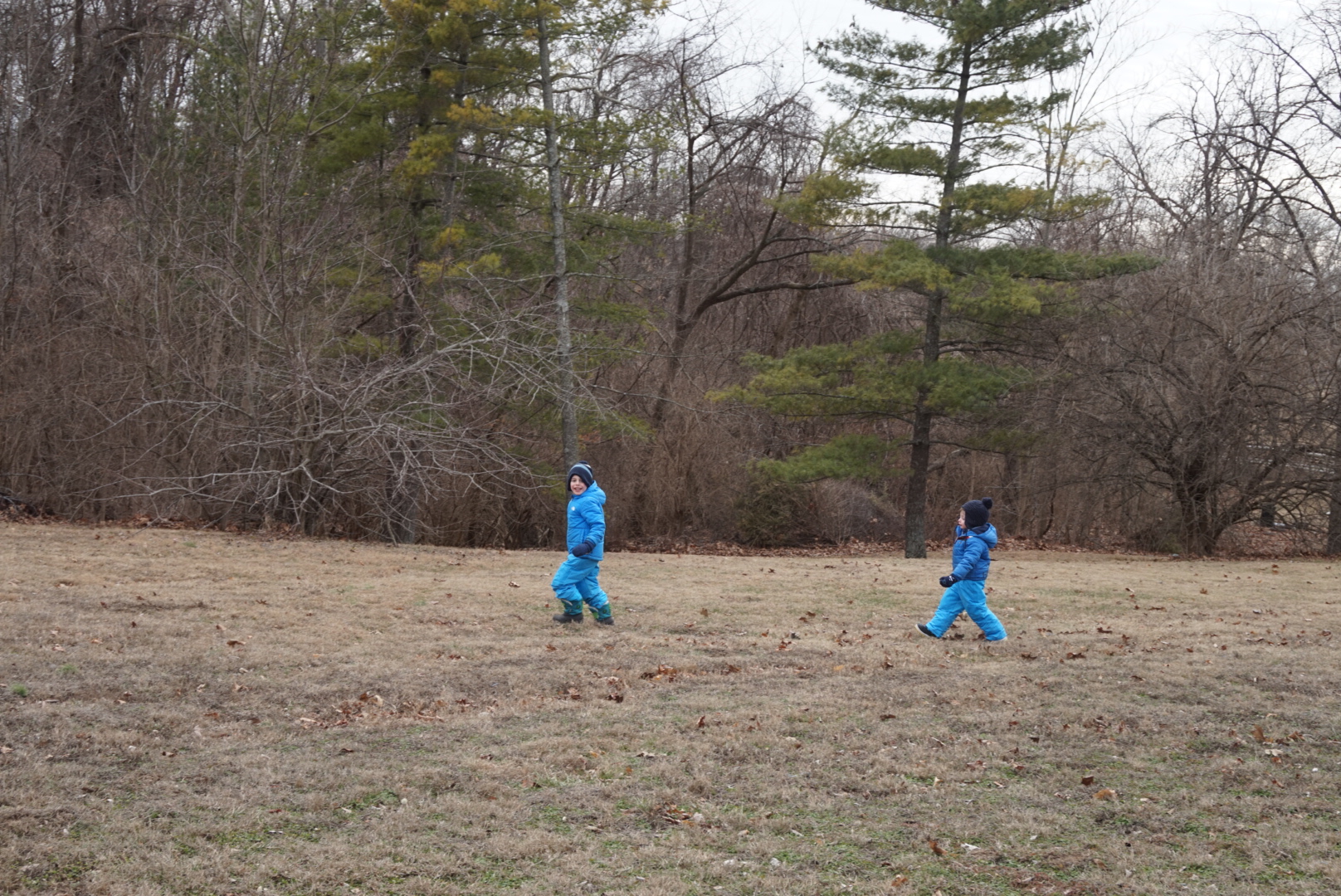
Passover is one of the most emphasized holidays in the Torah, not only because of what God did, but because of how often we are commanded to explain it to our children: Look at these miracles God did for you. We’re meant to make it engaging, to invite questions, to teach through experience as much as through words. And so we do. We bring out props. We make it playful. My dad shows up every year with a “bag of plagues” just for the kids. I have vivid memories of my uncle’s Passover table growing up, where retelling the plagues was a highlight—costumes, participation from everyone around the table, laughter woven right into the story. It was fun. It was memorable. It was celebratory. In recent years we’ve had “blood-chug” (vegetable juice, of course), ping-pong balls flying across the table for hail, sticky rubber frogs tossed with abandon, poker chips handed out for thoughtful questions and correct answers, redeemable for prizes at the end of the night. There’s the hunt for the missing piece of matzah—because the night cannot go on without it—my favorite clue ever, from a Passover in Miami years ago: cold-girl. Add in the songs: about miracles, about how even one would have been enough—Dayenu—about a goat, and so many others. These aren’t just games. They’re how the story stays alive. And they’ve given me many, many happy memories. This is how we keep the story alive—not just by telling it, but by making it unforgettable. And God willing, my grandchildren will sit at their own Seder tables, telling this story with the same joy, and calling it their own.
Takeaways for the Week
- Tell the story to your children – again and again and again – they’re never too old to learn a new aspects of the passover miracle
- No one stands alone – moral support matters
- Redemption require participation – you still need to act, to announce yourself, to mark your door will blood