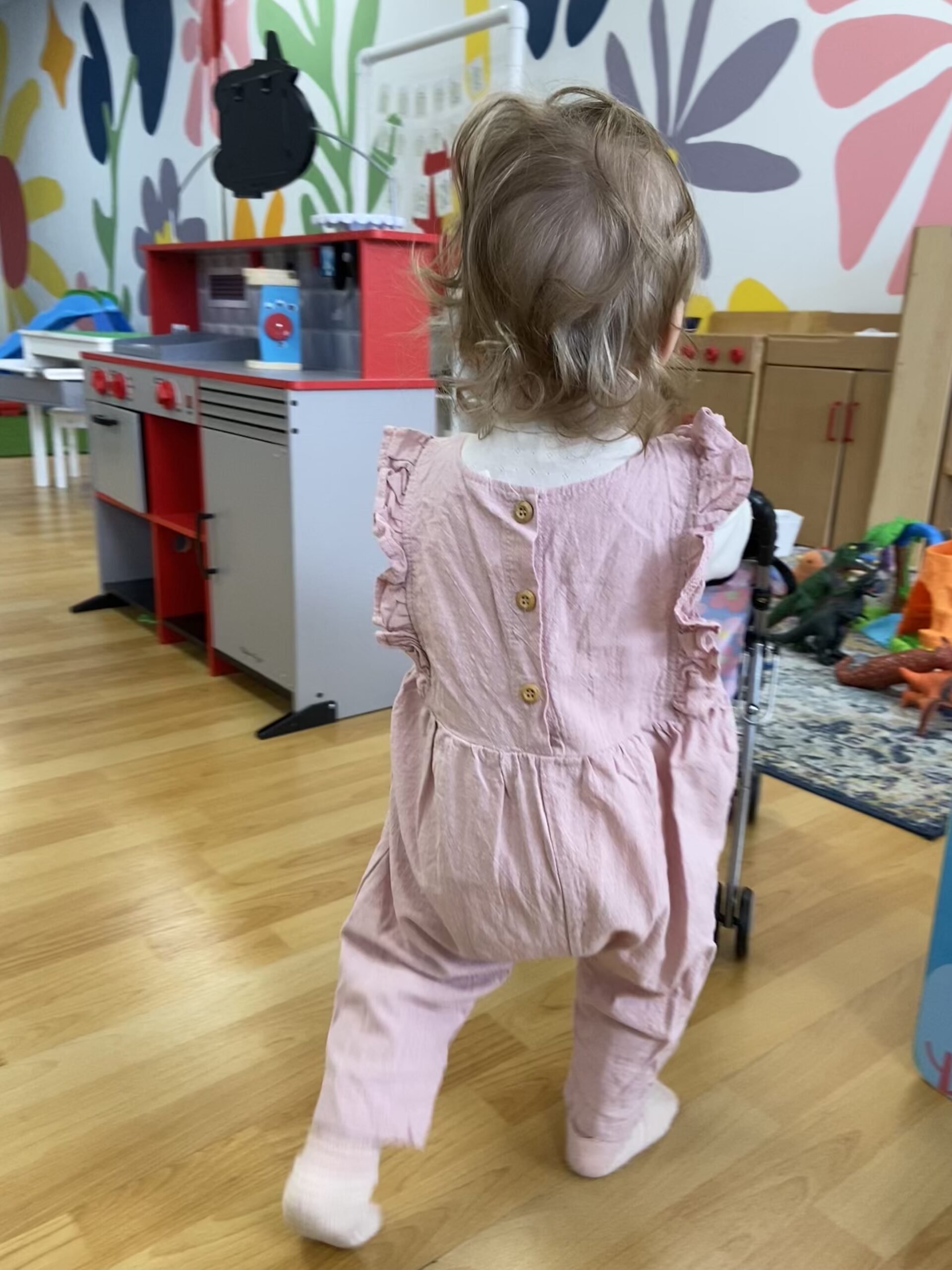
We had a really smooth week settling back in from our week long trip. Smooth, albeit we hit the ground running. We re-enrolled our two older children as upcoming first and second graders, switched home and auto policies, I renewed my soon-to-be expired drivers license, we moved some money around, and other mundane tasks of running a household with four small children. It was a great trip, though I’m really happy to be home.
Last we left-off, Moses goes up the mountain for forty days and forty nights. This weeks Parsha takes a pause on the saga, and instead of more miracles or dramatic confrontations, we are given… blueprints. Yes, blueprints for a Tabernacle. God instructs Moses to have the people donate gifts of gold, silver, and copper. Yarns of blue, purple, and crimson. Fine linen, goats hair, ram skins, dolphin skins, acacia wood, oil, spices for anointing oil, and stones (25:1-7). God wants the people to build Him a sanctuary, so he can dwell among them.
God asks the people to help build a Mishkan—a portable sanctuary—so that His presence can live in the very center of their lives. The rest of the chapter describes exactly how to build, the patterns, the furnishings, and all the nitty details. He describes a place of awe and beauty. A place of inspiration and spirituality at its finest. A place of holiness. A place where heaven and earth meet, and God dwells among us.
All of Chapter 26 outlines very specific instructions. I can’t even wrap my head around receiving verbal instructions such as:
You shall make the planks for the Tabernacle of acacia wood, upright. The length of each plank shall be ten cubits and the width of each plank a cubit and a half. Each plank shall be ten cubits and the width of each plank a cubit and a half. Each plank shall have two tenons, parallel to each other; do the same with all the planks of the Tabernacle. Of the planks of the Tabernacle, make twenty planks on the south side: making forty silver sockets under the twenty planks, two sockets under the one plank for its two tenons and two sockets under each following plank for its two tenons; and for the other side wall of the Tabernacle, on the north side, twenty planks, with their forty silver sockets, two sockets under the one plank and two sockets under each following plank.” -(26:15-21)
Could you even imagine receiving this verbally?! And that’s just a small section of the instructions. No diagrams, no instruction manual, no YouTube tutorial (my personal go-to). I can barely put together an Ikea bookshelf, with photo instructions and labeled parts. And yet, here they are, constructing a sacred dwelling place.
Though the people of Israel seemed to get it all with ease. Which is a tad surprising because these are the same people who complain constantly, and the same people who struggle to follow basic commandments such as, “no idols.” (But no spoilers).
Early on in the Parsha, we’re told that the donations should come from “every person whose heart moves him.” No one is forced, or pressured. Just simply, whoever’s heart is willing.
Mom-Life Application: Building a Mishkan at Home + Takeaway for the Week 💛
This week, something small happened that felt enormous, and on-point for this weeks post. At breakfast, my oldest daughter casually said, “It feels better being home than away. I mean, I liked visiting and traveling, but I’m happy to be here.” And my heart stopped. We had just returned from a beautiful week with family, in a home that was peaceful, comfortable, and perfectly designed. Light, space, stunning mountain views from every window. It was a lovely place to be. And yet… here we are, back in our house with chipped Formica kitchen counters from 1988, scuffed walls, furniture hanging on by a thread, the visible wear of raising four little children and a cat. And yet, this is where she feels happy. That’s a mother’s terumah, a place we contribute to our with our blood, sweat, and tears.
I see mothers building a home for their children. Day by day. System by system. Routine by routine. Conversation by conversation. With consistency, with warmth, with boundaries, with presence. The mishkan is about intention, creating a space where God – and people – feel welcome. Same applies to our homes for our people, our children.
To mothers everywhere, you’re not “just” running a household, you’re creating a sanctuary. One morning at a time, one bedtime at a time. And your children feel it, even when you don’t. Even when you think it’s not enough.