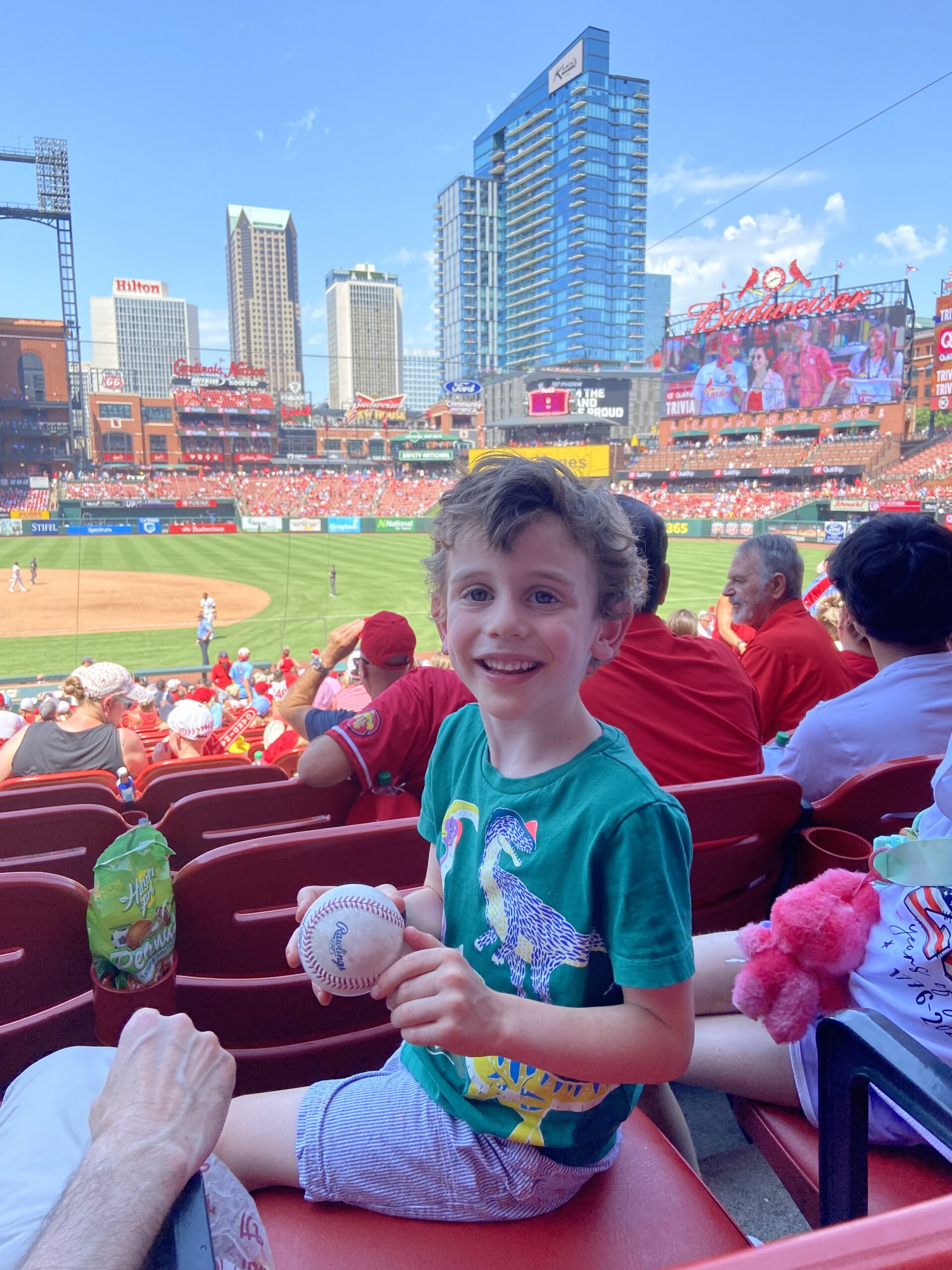
Last week was officially the first week of summer, Camp Mommy. Where we had all four children at home, and it went pretty smoothly, all things considered. Though two out of our three mornings of swim lessons got cut short – long story. We celebrated our oldest son turning six, we had a class birthday party at the park, a second family birthday dinner + cake at home, and celebratory baseball game — the Cards got crushed by the Padres, but we did end up with a foul ball for the birthday boy! A visit from my sister-in-law as well. It was a pretty great week. For those who don’t know, yesterday was the 2026 summer solstice, which means it’s officially summer, but the days will slowly grow shorter from here on out.
A Bad Orchard
OK, so our parsha of the week was another tough one. A group of rebels rises up against Moses and Aaron. Questioning why Moses and Aaron the ones in charge. Umm, hello…? Because God assigned them? This group, these Rebels, Korach’s men, wants political power, recognition, and everything else they feel they deserve. Ironically, this group rises from the Levite tribe. Which… was quite disappointing. Even Moses points out that they already are carved out a special place just by the sheer luck of being born a Levite, they already have a special role to fulfill for God, but it’s not enough for these greedy awful people. God wants to destroy all of Israel, again. And we’re given a bit of a flash back to Genesis 18, where God and Abraham bicker back and forth about saving the city if Abraham can find ten good men. Fast forward hundreds of years to the desert, and we have Moses asking God not to destroy the whole nation because of a few bad apples. Though, it seems like there are a quite a few bad apples, it’s more God not destroying Israel because of a bad apple orchard, the group was 250 men in total. The earth swallows up the ring-leaders, along with their families, and the rest perish by fire.
And shortly after that, fourteen thousand Israelis die from a plague. Let’s talk about the plague for a moment. Because after the rebellion is over, the people somehow blame Moses. And then comes the plague. Many commentators see this as being less about Korach’s original rebellion and more about the people’s refusal to learn from it. The rebellion was one sin; the insistence that Moses was the villain after everything they had just witnessed was another. No wonder the wilderness generation seems exhausted by the end of Numbers. I’m exhausted simply reading about it.
Not My Circus, Still My Monkeys
Are you all starting to think that this group of Israelites had it pretty bad? I can’t even imagine. On the one hand, they are the only souls that got to witness the miracles of the exodus, and got to be there at Sinai. How amazing. However, on the other hand, this same group of people will have to wander the desert for another forty years because of ten spies weaknesses, spreading fear throughout the camp (last weeks parsha), and now, they watch Gods wrath destroy a decent chunk of the community. While deserved, I’m sure it was pretty traumatic to witness and clean up the aftermath of 250 men consumed by fire. And then 14,700 people dead by a plague. That’s a lot of dead bodies.
Maybe that’s part of the lesson. Korach’s rebellion wasn’t just Korach’s problem. The spies’ fear wasn’t just the spies’ problem. Individual choices became communal consequences. Which is sobering when you’re raising children, building a home, and trying to hold a little more faith than fear.
The Ripple Effect
It’s easy to read these stories and wonder why everyone else couldn’t get it together. But then I look at my own life. My attitude affects my husband, and my children. My fears affect my family. My faith affects my home. Whether we realize it or not, we’re constantly shaping the people around us.
The wilderness generation reminds us that communities rise and fall together. Which makes me wonder: what am I spreading? Fear or faith? Gratitude or resentment? Trust or jealousy?
What are you spreading?