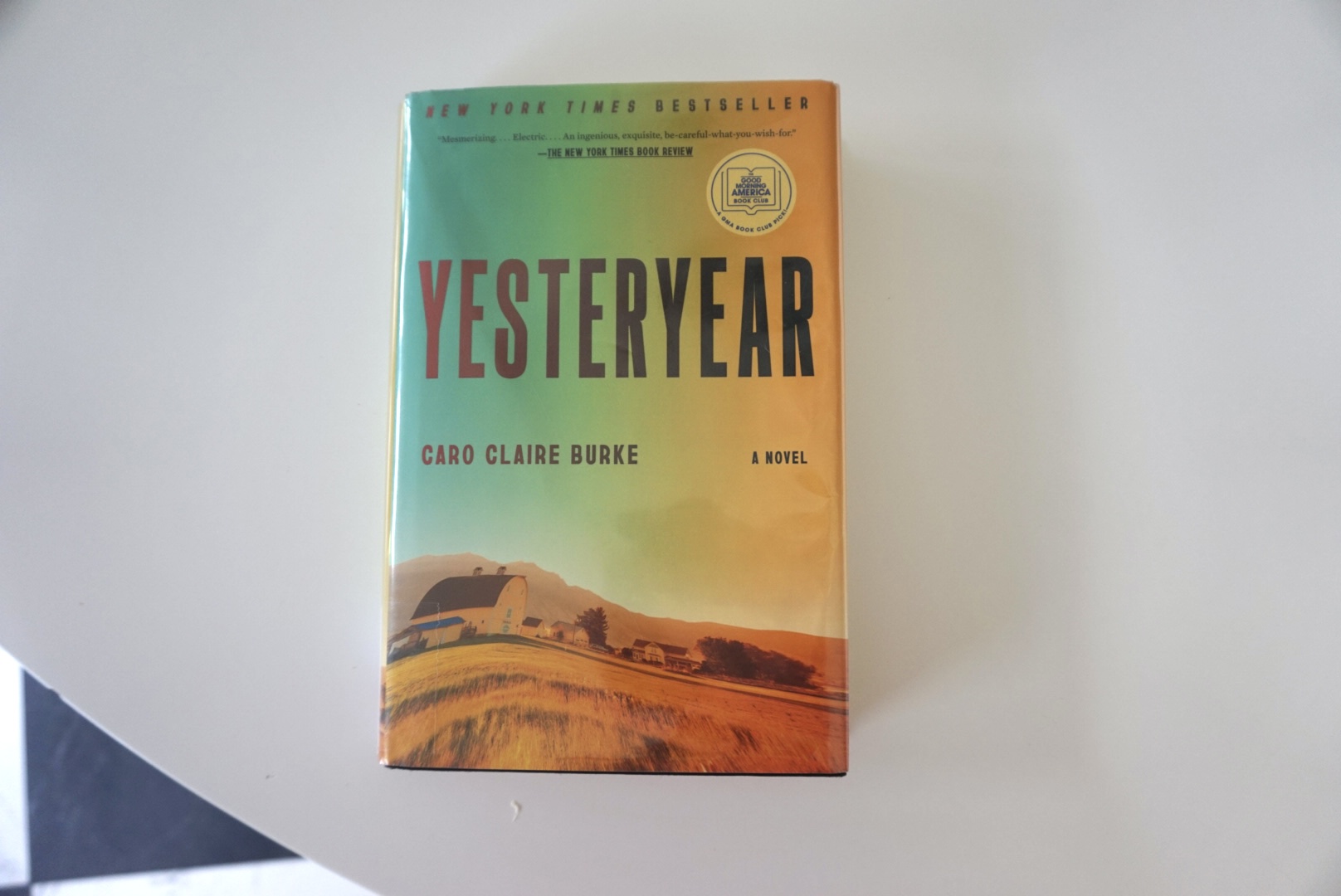
Released this past April, Yesteryear by Caro Claire Burke has quickly become one of the year’s most talked-about books—and for good reason. I put myself on the library waitlist for the Kindle or audiobook version, only to discover the wait was going to be months long. I debated buying it, but decided to be patient. Then one afternoon, I walked into my local library and found a hardcover copy just sitting there. I practically sprinted over and grabbed it. And then I read all 400 pages over one Shabbat. I refused to put it down.
A Very Millennial Book
The best way I can describe Yesteryear is an intoxicating combination of mommy bloggers, Instagram influencers, and snark. The writing immediately gave me a little Gone Girl energy—not because the stories are similar, but because it feels like we’re getting a completely unfiltered peek inside someone’s head.
And I kept wondering: Is this a millennial thing? We were there for the evolution from blogs to Facebook to Instagram to the influencer economy. We remember mommy blogs. We understand the strange world of presenting your family and your home to thousands—or millions—of strangers online. So much of this book felt oddly familiar. Some books are just made for a particular generation, and I think Yesteryear might be one of them.
For the first 75 pages or so, I really liked Natalie. I liked her observations about society, religion, college, motherhood, and the expectations placed on women. I enjoyed her rants and her raw thoughts. And then, slowly, you watch her trajectory change.
Eventually you realize: maybe Natalie isn’t who you thought she was. One of the things I found most interesting is that Natalie is obsessed with being good, likable, obedient, and morally pure—yet those very qualities eventually trap her. And I think the larger point of the book goes beyond left versus right. It’s really asking what it means to be a woman, and what happens when we convince ourselves there is one right way to live. Every choice comes with sacrifice. Everyone in this book thinks they’re right, while simultaneously being deeply wrong. They’re all, in their own ways, both victims and villains of their choices.
⚠️ Spoilers Ahead
The ending is where I really struggled. I understand what Burke was trying to say with the big twist, particularly given the conversations around Ballerina Farm and the Ruby Franke case. The idea of an idyllic online family image concealing a very different reality is fascinating. But the actual twist felt beyond unhinged to me. I could understand the symbolism, but I didn’t find the plot particularly believable. And after spending so much time immersed in this world, I wanted the ending to feel more grounded in reality.
I also had approximately seventeen questions about the logistics of the whole thing. Can the oldest daughter seize custody with the snap of her fingers? What happens to the two girls in the middle? How are those eye-watering property taxes being paid fifteen years later? What happens when the Instagram account dries up? And, most importantly, where can I buy a $30,000 chicken coop?
So… Did I Like It?
Here’s where I land: I loved reading it. But I’m not sure I loved the book. It was gripping, impossible to put down, and full of ideas that genuinely made me think. I loved the snark and the commentary on motherhood, marriage, religion, social media, and the expectations we place on women.
But ultimately, I think the ideas were more interesting than the plot. At the time of post release, Yesteryear has nearly one million Goodreads ratings and an average rating of around 3.87—which tells you I’m certainly not the only person who found it fascinating. It’s a book I have a lot to say about. And thankfully, there’s a podcast episode for that. 😉